Armchair twitching

You may have noticed that there are few things I like better than getting out into the countryside and taking photographs of the wildlife. But just occasionally the wildlife comes to me and I don’t have to even leave the armchair. Such was my good fortune during a recent visit to my parents.

The garden there is fairly green and the birds know there is always a square meal for them because my Dad has been feeding them regularly for over 40 years. So on this a particular afternoon the feeders were replenished and the birds visited in droves.
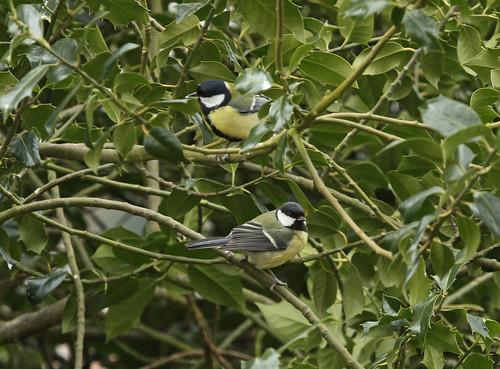
Great tit pair (Parus major, Dansk: musvit) crunching peanuts in the holly bush

Because everything was late in the spring this year due to the cold weather the birds were paired off but were not all sitting on eggs yet and various species were behaving as though they were starting to think about mating but hadn’t yet got round to it.

Collared dove (Streptopelia decaocto, Dansk: tyrkerdue) perched in the laburnum tree waiting for his mate

It was Easter Sunday, March 31st, the leaves of the laburnum tree were just starting to shoot and the thoughts of the collared doves were turning to lurv:
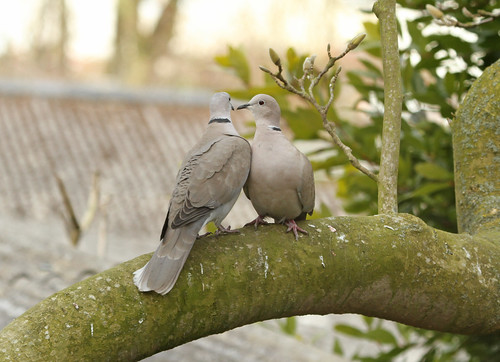
The good lady duly arrived and bonds were reaffirmed

The Danish name for the collared dove ‘tyrkerdue‘ translates to ”Turkish dove‘ in English because their home territory is in Turkey and the Middle East from where they spread to the UK, arriving in 1955. The gentle and peaceful  image traditionally associated with doves is belied by the reality, they are one of the most agreesive garden birds and I’ve watched them chase off all comers including much bigger birds than themselves such as wood pigeons. They’re feisty characters!

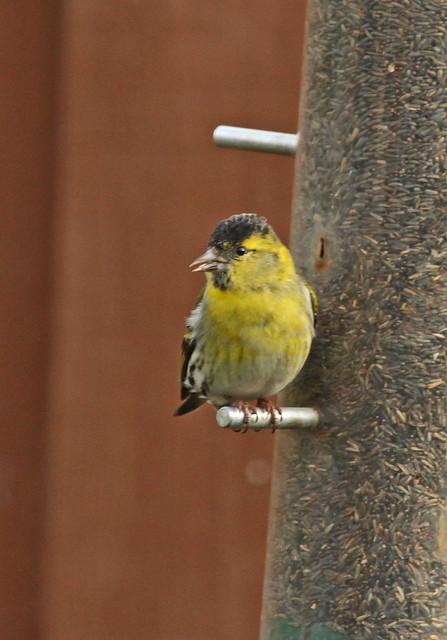
Siskin

Ten days before this visit to my folks I’d seen siskin (Carduelis spinus, Dansk: grønsisken) in my garden near Cambridge and I talked about them in this post. So within the space of a couple of weeks I saw them in two gardens, having never seen that at all before. Another sign that times they are a-changing, climatically speaking. This one is sat just above a niger seed feeder which is what tempted it into the garden in the first place.

Feral pigeon

Much to the annoyance of my Dad a flock of 20-30 feral pigeons have taken up residence on an adjacent roof and as with other pigeons they have an insatiable appetite for free food. As they are mob-handed and not slow in coming forward they deter the smaller songbirds so I can fully understand the old boy’s ire, but on the other hand they are handsome birds and entertaining to watch as a flock in flight.

And then this little guy turned up:
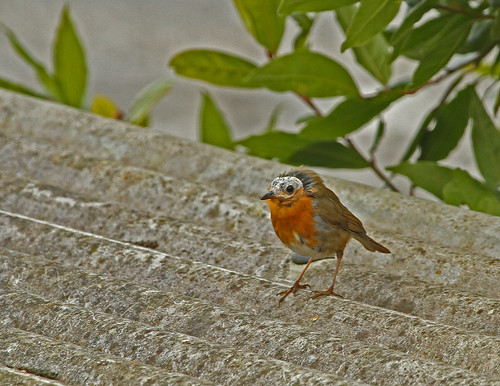
I don’t know what happened to him but I’ve heard it said that robins (Erithacus rubecula, Dansk: rødhals) will fight each other to the death in competition for mates, and peck at each others heads to the point where they scalp each other. So I wonder if this little monster has been fighting and got a sub-lethal pecking that subsequently became infected. Whatever it was, it didn’t kill him and he was turning up in my folk’s garden for a couple of months in this state before he eventually disappeared.

The way it should be

My last post showed some random weather at the end of March and in this one all the photographs were taken during the following weekend when the weather was rather more in keeping with the season, the way it should be.

Another of the great British bird of prey success stories over the last two decades has been the resurgence of the buzzard (Buteo buteo, Dansk: musvåge). Up until the mid 1990’s I’d only seen buzzards on summer holidays in Denmark and the occasional sighting on the western periphery of the UK, in south Wales or in Cornwall. But then I noticed they were creeping further eastwards up the M5, year by year, and now they can be seen all over England, and it’s not at all surprising to see them over my garden. I think a major contributory factor to the increase in raptor populations has been the ban on the use of DDT.


A buzzard soaring over the farmland on the edge of Histon.

DDT, or dichlorodiphenyltrichloroethane…

…was originally extremely effective in the control of insects but is very persistent in the biosphere, and because of its chemical properties it accumulates in the fatty tissues of apex predators such as raptors. The toxic effect was to cause thinning of the eggshells which would break before the chicks were ready to emerge. The consequences were devastating for many species inclusing sparrowhawks in the UK as well as peregrine falcons and bald eagles in the USA. The systematic use of DDT has been outlawed for many years  now, although restricted localised use for the control of malaria is still sanctioned, but here in the UK the long term benefit of the ban has been dramatic with these magnificent birds once again a relatively common site in our skies.

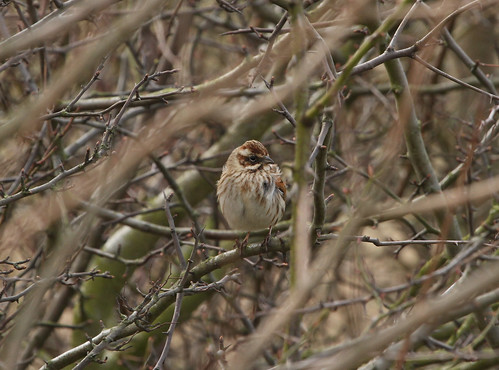
Other birds species were making the most of the change in the weather at the start of April too, including this female reed bunting (Emberiza schoeniclus, Dansk: rørspurv):

Reed buntings have been a common site in the fields to the north of Histon since the weather has warmed up and the males with their black and white heads cling to the top of wheat stems proclaiming their availability. The females are more reclusive but can often be seen perched in bushes

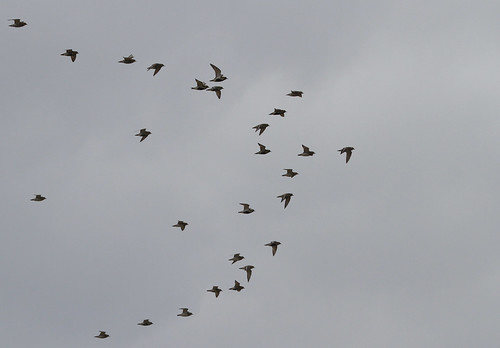
A less common visitor to the fields is the golden plover (Pluvialis apricaria, Dansk, hjejle). I love to see the plovers, because when they do arrive they come mob handed, and on this occasion there was a flock of approximately 500 birds which looped round at high speed in extended skeins which was great to watch!


Skeins of golden plovers

Golden plovers are amber listed in the UK but not of concern in Europe so I hope that means that the overall population is stable and we continue to see them over the UK. An amusing little factoid about the golden plover which I’ve unashamedly borrowed from the British Trust for Ornithology is that a question about the flight speed of the golden plover raised by a member of a shoot in Wexford, Ireland, prompted Sir Hugh Beaver to found the Guinness Book of Records in 1955.  And if you’re keen to know, the speed of the golden plover is around 60mph (100kmph).

The rook, Corvus frugilegus, Dansk: sibirisk allike

All the photographs in this post were taken during a walk in the fields adjacent to my home the weekend after the snow, except the rook. This miscreant had lifted the fatball feeder from the branch in the crab apple tree and dropped it to the floor where it commenced to single handedly empty it. But as it posed for several portraits in the process I reasoned that it earned it’s fill. I like crows and especially the rooks, they seem to have a sense of devilment akin to a childs… if not even a tad more sophisticated. Through history though, alas not everyone had such a benign attitude to the rook (and just about every other creature!), which you can read about here.

Less predictable ramifications of global warming

This all seems a mite anachronistic now, but at the end of March when things appeared to be warming up and becoming rather more in keeping with the calendar this happened:

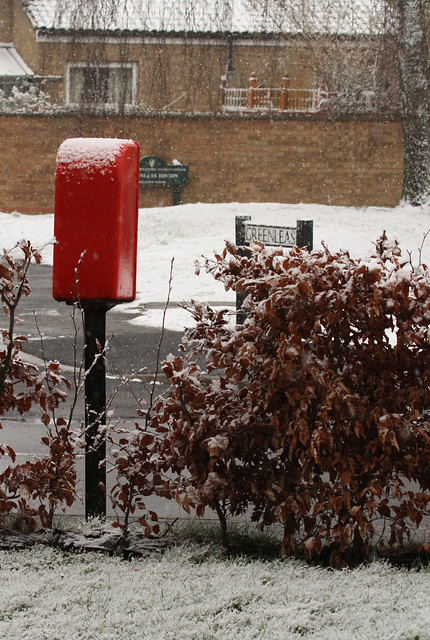
Snow capped post box at the front of my garden on March 23rd!

I often here folk grumbling that global warming often doesn’t feel that way, and, of course, the reason for that is that the average global temperatures are rising which can result in higher highs, but also lower lows, as more heat energy is sequestered in the atmosphere and the oceans causing altered patterns and much greater unpredictability. ‘Climate change‘ therefore seems the more accurate description.

From the point of view of the UK, our weather system is complicated because we are at the edge competing systems, from the south and west Atlantic, east from Europe and north from the Arctic. A major determinant of which of these systems dominates is the jet stream. This is a ribbon of fast flowing air, around 100mph (160kph), formed at the barrier between cold arctic air and warmer mid-latitude air, around 6-6.5miles (11000m) up, and moving from west to east. It’s position can wobble northwards and southwards and in the winter it tends to be south of the UK so we are dominated by cold polar air and in the summer it migrates further north so warmer conditions can predominate. But due to climatic variability in recent years the position of the jest stream has not conformed to tradition and has remained much further south so our summer weather has been much colder and wetter in the last few years.

Hence snow at the end of march…

A male great tit, Parus major, wondering what’s going on!

The unseasonal weather over the last few years has caused real problems for wildlife. Numbers of bees and butterflies have been down and hibernating creatures such as hedgehogs can struggle to find food when they eventually arise from the winter slumber.

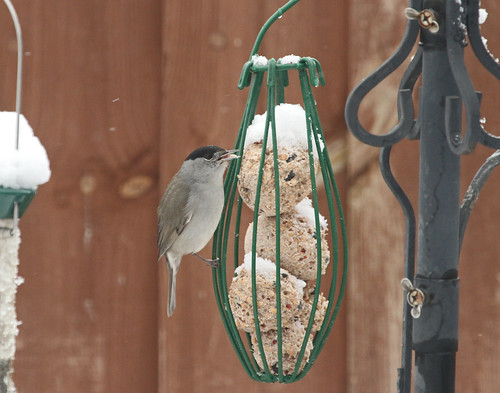
A male blackcap, Sylvia atricapilla, nibbling on frozen fatballs

The blackcap pair which arrived in my garden in January made their last appearance during the March snow and then disappeared. I think they must have been overwintering here in the UK and when the really cold weather finally ended they headed back on their long flight to central Europe in time for the breeding season.

We’re now at the end of June and the jet stream has moved north allowing high pressure systems to move in from the Atlantic to the west and bring some warm weather. Long may it last!

Whitethroats and Awards

The common whitethroat (Sylvia communis, Dansk: tornsanger) is a warbler which arrives here for the summer from Africa and frequents the undergrowth and bramble thickets. It used to be prevalent in my local meadow but for the last 2-3 years I’ve only seen a few there. But they have been nesting in hedgerows and drainage ditches in other fields, so it seems they are here just not in the same place. Their conservation status according to the British Trust for Ornithology is amber, indicating their numbers are declining so it may be that there just aren’t as many making it back here.


Male whitethroat (my best whitethroat picture to date!)

The males perch on top of brambles, as he’s doing here, singing their distinctive song, and they occasionally flit vertically up in the air in a very jerky pattern and drop back down again to land in the same spot, and that activity is also very disctinctive. It’s definitely summer when the whitethroat arrive in the fields!

I want to finish this minipost with a word about WordPress awards. Several fellow bloggers have been kind enough to nominate ‘The Naturephile’ for a WP award in the recent past. A couple of years ago when I received several  nominations in quick succession I found myself inundated and decided not to take part in the awards. I had insufficient time to do the award and insufficient time to write my posts, so it wasn’t through curmudgeonliness but because I think that if someone is generous enough to nominate me then I owe it to them to reciprocate accordingly, and I simply didn’t have time to do that.

So instead of accepting awards I’m going to show my appreciation by writing a post for everyone who  nominates me, so this whitethroat is for Petrel41 at the terrific blog ‘Dear Kitty. Some blog‘. Please click the link and go and have a browse, there is lots of good reading there!

The birds and the bees

Insects have been hit hard by climatic aberrations in recent years and on my meanderings around the Cambridgeshire countryside this year numbers of bees and butterflies sightings have been down compared to previous years. It’s now the middle of June and I saw the first dragons of the year today; two damselflies. I also read this week in ‘The Guardian‘ newspaper that a third of managed honeybee colonies in the USA were wiped out in 2012. This article makes very sobering reading. And it’s a similar story in Europe, but in Europe neonicotinoid pesticides, which have been implicated in colony collapse disorder, have been banned for two years to evaluate their effect on honeybees. My concern is that the onslaught on the bees is complicated and removing one variable may not show a significant effect in the limited two year duration of the ban. But I hope it does!

Early last month the sun finally broke through and gave us some insect friendly weather and it was remarkable how quickly the microfauna emerged.

Beefly – Bombylius major

Beeflies are found over large parts of the globe and can be seen hovering in sunny glades from the springtime. The narwhal of the Dipteran world, the spike looks fearsome but is only used to probe flowers for nectar, there is  no sting. Beeflies procreate by flicking their eggs into the entrance to the burrows of wasps and bees where the larvae feed on the grubs of the occupants.

A pair of hoverflies doing their best to rectify the decline in the insect population

I think these hoverflies are ‘Eristalis pertinax’ but I’m not certain. It was good to see them though, especially as they were taking their biological responsibilities so seriously.
Addendum: on the subject of climatic aberration mentioned at the top of this post I just found and read with increasing concern this link:

http://robertscribbler.wordpress.com/2013/04/12/human-climate-change-is-wrecking-the-jet-stream-uk-met-office-calls-emergency-meeting/

which my blogging buddy Sam posted on her excellent WP blog ‘Science on the Land‘. This provides a chilling insight (in every sense) into why the weather in the northern hemisphere is behaving the way it is. And it doesn’t look as though it’s going to get any better folks.

Flowers for all seasons

Last year in springtime the weather was dreadful and I didn’t many chances to take photographs for weeks. So I trawled back through my archive and found these old pictures of wild flowers which I thought I would post to brighten things up a tad. But by the time I got round to posting it was too late in the year so the post got parked until this year.
And the flowers are now blooming again, so two years after I took the pictures now seems like a good time to share them! I won’t bore you botanical minutiae this time, but I hope you enjoy the pictures!

Greater periwinkle

(Vinca Major)

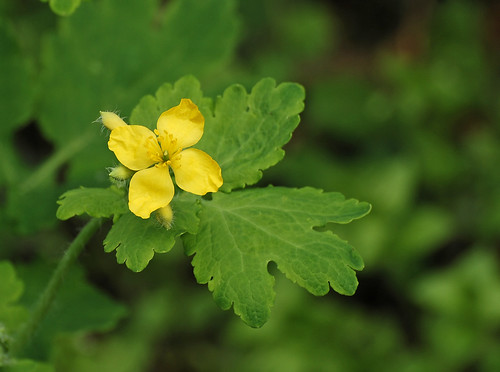
Greater celandine

(Chelidonium majus)

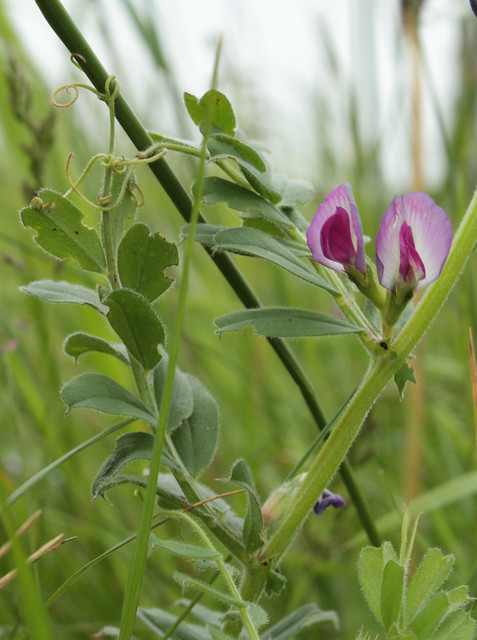
Common vetch

(Vicia sativa)

White campion

(Silene alba)

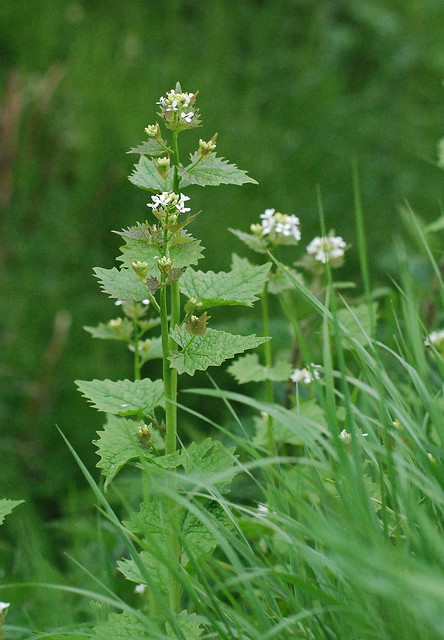
Jack By The Hedge

(Alliara petiolata)

Herb bennet

(Geum urbanum)

Needs as needs must

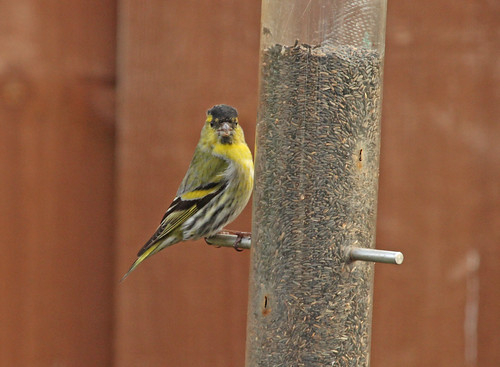
Two species of bird are said to use niger seed feeders, but up until this winter I’d only ever seen one of them on mine, and that’s the goldfinch (Carduelis carduelis, Dansk: stillits). The other species, that I had never seen was the siskin (Carduelis spinus, Dansk:  grønsisken).

A siskin refuelling on niger seed

Not only had they not appeared on the feeders but I hadn’t seen one for years before this winter. My friend in the village said that he had seen one on his feeders and it was reported that the dreadful weather last year had caused such a shortage of wild seed, the siskins natural food source, that they were showing up in gardens in unusual numbers. Needs as needs must when hunger prevails.

The normal diet of the siskin consists of seeds from spruce, pine, alder or birch trees and they will occasionally feed on invertebrates too. In the photograph above it’s easy to see the long and pointed but powerful beak it would need to extract the seeds from pine cones.

The conservation status of the siskin according to the British Trust for Ornithology is green and they don’t appear to be in any danger, which is unusual in itself these days, so it’s surprising I haven’t seen one for so long. It’s a resident breeder here in the UK and a passage and winter visitor, flying in from further north in Europe.

They are particularly handsome birds and although it’s a pleasure to see them I hope the need to use garden feeders doesn’t go on from year to year or their green conservation status may not last.

Bridlington beach

After spending the morning up at Flamborough Head I spent the afternoon on the beach in Bridlington harbour.

Flamborough Lighthouse from the beach at Bridlington

Groups of knot were scouring the tideline

I like knot, they are very busy birds hunting invertebrates on the tidal mud and their taxonomic name is ‘Calidris canutus‘ (Dansk: islandsk ryle) named after the Viking king famed for being able to hold back the tides. I think that’s probably where the English name comes from too, because the Danish spelling of ‘Canute‘ is ‘Knud‘ – which isn’t a million miles from ‘Knot‘. They can sometimes be seen in enormous flocks of to 100,000 birds, which is a sight I’d love to see.

A knot and a redshank with an oddly distended neck

The knot has the most gorgeous rufous breeding plumage where the breast turns to a coppery red colour and the light parts of the feathers on the back turn brown, but as I only ever see them in winter I’ve never seen the full breeding regalia.

Another redshank (Tringa totanus, Dansk: rødben) cooling its feet in the ‘surf’

I wrote about the turnstone (Arenaria interpres, Dansk: stenvender) in my last post about Bridlington, but this one was a real character. It scuttled along the parapet of the sea wall as people were walking to and fro just a few feet away and was quite happy for me to point a camera at it. And I got some nice portraits of it standing on the stone sea wall with the blue sea in the background:

And the whole time we were in Bridlington a lone barnacle goose (Branta leucopsis, Dansk: bramgås) was in residence. Barnacle geese nest way up in the Arctic, in Greenland and Spitsbergen. Because they are never seen on a nest in the UK it was thought that they didn’t originate from eggs but that they started life as goose barnacles which live in deep water but can sometimes be found washed up on debris dislodged from the sea bed.

Barnacle goose fattening up in England before a long flight north to the Arctic

That time of year

Spring appears to have now definitely sprung, but before that the weather was very cold and many songbirds were coming to the garden to feed. One of the regular species was the blackcap pair which arrived during the fierce weather after Christmas and left around three or four weeks ago when the weather started to warm up.

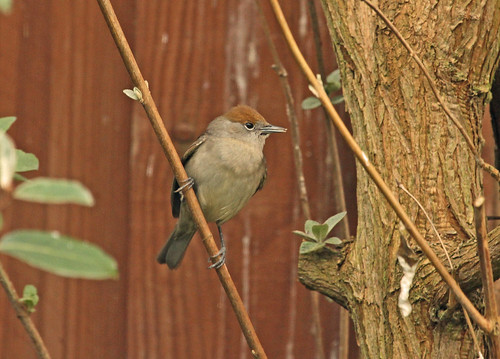
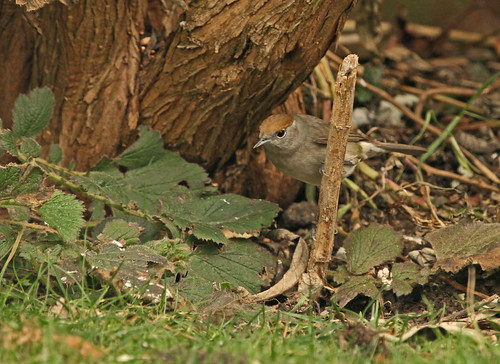
The female blackcap – easily identified by her brown cap

There are two types of blackcap in the UK: those that migrate to sub-Saharan Africa to overwinter and those which migrate here from central Europe to overwinter. So I guess my pair, which oddly I rarely ever saw in the garden at the same time, were European visitors sampling our balmy winter weather.

Even though the female was the first blackcap I saw in the garden she visited nowhere near as often as the male and it took me a while to get a good portrait of her, but I managed to get these just before they disappeared to enjoy their springtime and rear their chicks in Germany or Poland.

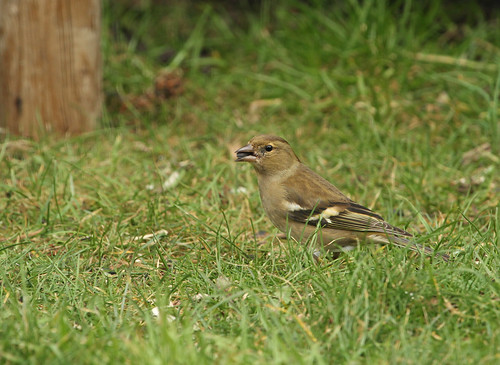
Constant visitors all the way through the winter and still resident are my pair of chaffinch which are always welcome to brighten up a dull day.

Cock chaffinch resplendent in full courtship plumage

…and the charmed lady

The chaffinch pair probably have a nest nearby with chicks in, but before eggs and chicks the delicate matter of mating needs to be taken care of:

A pair of collared dove demonstrating that the act of lurv is not always so delicate

Spring has indeed sprung!

The day after the day before

It’s been far too long since my last post, life has been frenetic resulting in little or no time for WP’ing. But I’m back now and after I’ve completed this post I shall be taking a grand tour of all your blogs that I’ve been  neglecting recently!

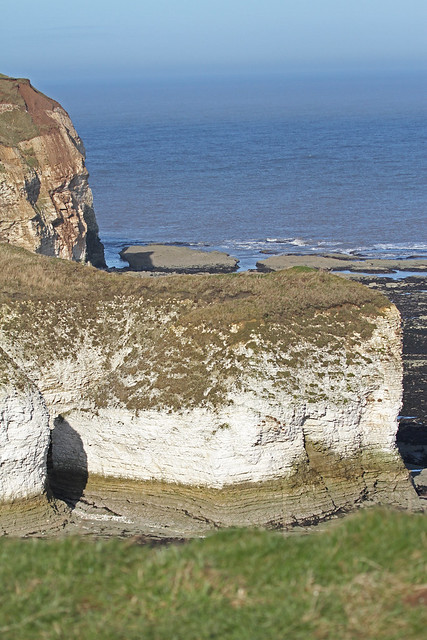
In my last post I mentioned the frigid weather conditions prevailing on top of the cliffs at Bempton back at the end of February. But the day after that clifftop adventure was bright, sunny and warm, and we were up on top of Flamborough Head, just a few miles south of Bempton, running around in shirt sleeves. What a difference a day makes.

Looking north along the cliffs from Flamborough lighthouse in lovely warm sunshine!

On a sunny day the coast in that part of the world is a wonderful place to be, and there’s wildlife in abundance:

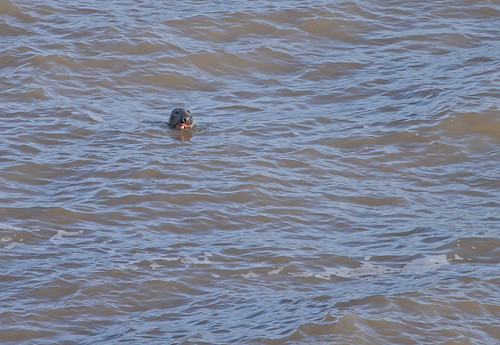
North Atlantic grey seal enjoying breakfast in relaxed fashion

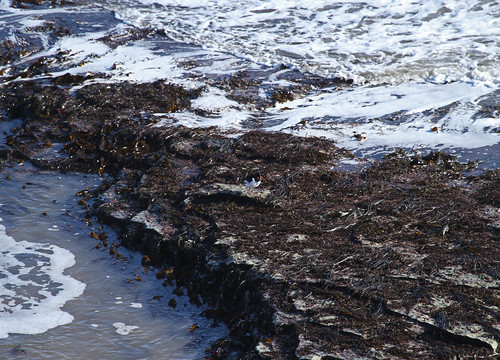
And while the seals were taking life easy in the sea the shoreline was patrolled by various seabirds including this oystercatcher who was picking over the recently exposed seaweed looking for crustaceans.

Not the best picture of an oystercatcher (Haematopus ostralegus, Dansk: strandskade) I’ve ever taken but I like the rock and the surf! After the clifftop we headed down to the harbour at Bridlington where the tide was out and lots of seabirds were picking over the detritus you might expect to find around a working harbour.

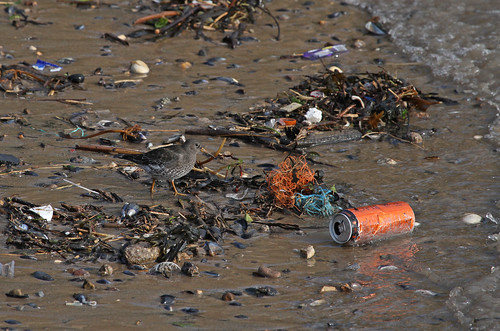
Purple sandpiper (Calidris maritima, Dansk: sortgrå ryle)

The purple sandpiper breeds in the Arctic, very rarely in the UK, but overwinters on the coast here where it can be found in large flocks, often alongside turnstone.

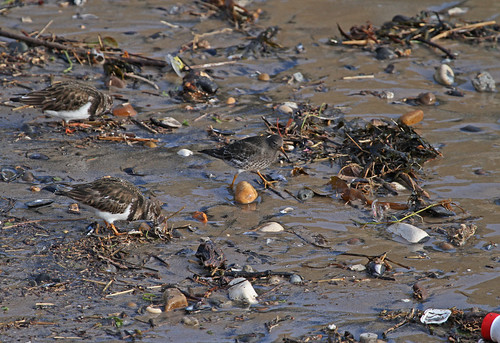
A lone purple sandpiper accompanied by a pair of turnstone

Even though the tons of litter that lined the beaches offended me, the birds didn’t seem to mind, they were racing along the tide lines picking over all the debris, human and natural.

The turnstone (Arenaria interpres, Dansk: stenvender) is also a winter visitor to the UK, very rarely breeding here. It feeds mainly on insects during the summer but according to the British Trust for Ornithology they also feed on birds eggs, chips and even corpses. It suggests the corpses are human but I wonder where they would find one of those, I’ve never encountered one on my seaside meanderings!